Precision by principle
A culture of rigorous engineering, attention to detail and purposeful technical decisions.
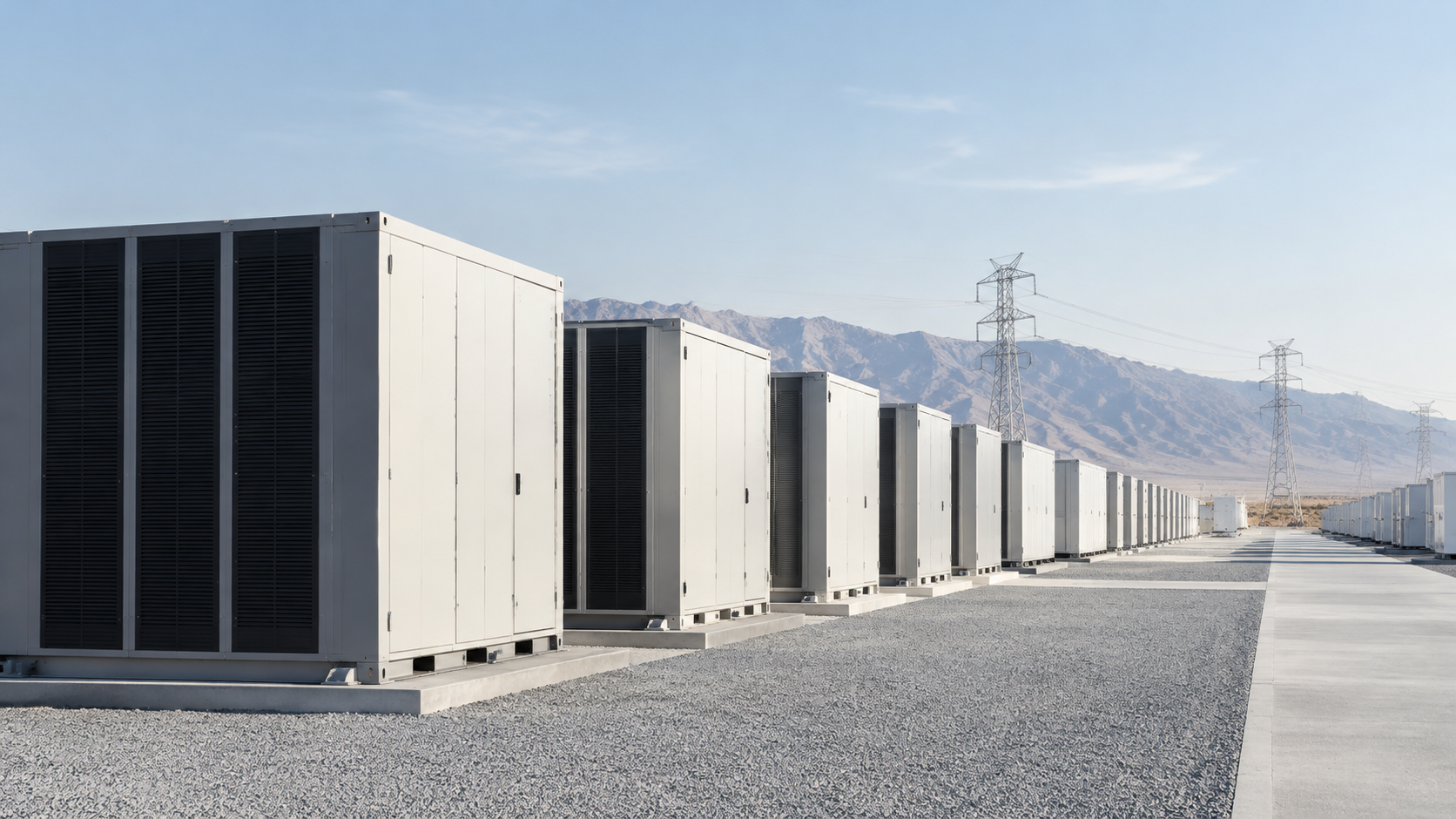
Precision engineering.
Future-ready energy.
Bringing Stuttgart’s engineering mindset to
utility-scale battery energy storage systems (BESS).
Kintis Speicher is an energy infrastructure company focused on advancing utility-scale battery energy storage solutions across the Gulf region.
Founded by engineers with backgrounds in Stuttgart’s renowned automotive engineering ecosystem, the company was established around a simple but powerful idea: engineering knowledge, technological innovation and systems thinking developed in one of the world’s most advanced industrial sectors can help address some of the most important challenges facing modern energy systems.
The transition from conventional energy generation towards renewable electricity requires more than new generation capacity. It requires intelligent infrastructure capable of storing, managing and delivering energy when and where it is needed. This is where Kintis Speicher focuses its expertise.
We bring an engineering-driven approach to large-scale energy storage infrastructure, supporting the evolving requirements of utilities, governments, energy developers and industrial partners.
Our roots lie in engineering. Kintis Speicher was founded by engineers from Stuttgart, Germany, a region internationally recognized for its industrial heritage, automotive innovation and engineering excellence.
In the automotive engineering environment, the founders developed an appreciation for precision, technological advancement, complex system integration and reliability in highly sophisticated industrial systems. They recognized that these principles extend far beyond the automotive industry.
Our philosophy is built around transferring knowledge, engineering discipline and technological thinking from the automotive world into large-scale energy infrastructure and battery energy storage systems (BESS).
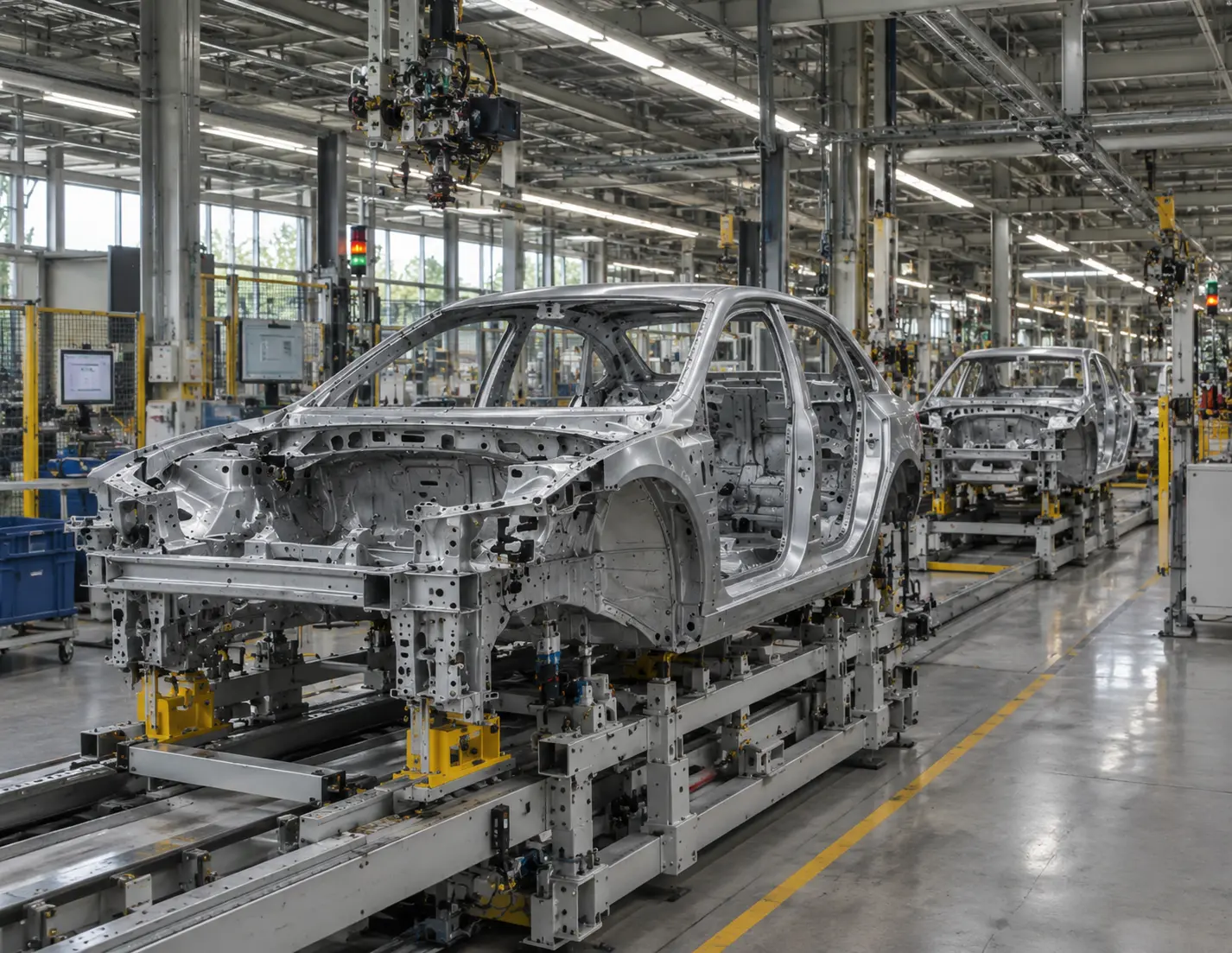
Engineering knowledge shaped by Stuttgart’s automotive ecosystem.
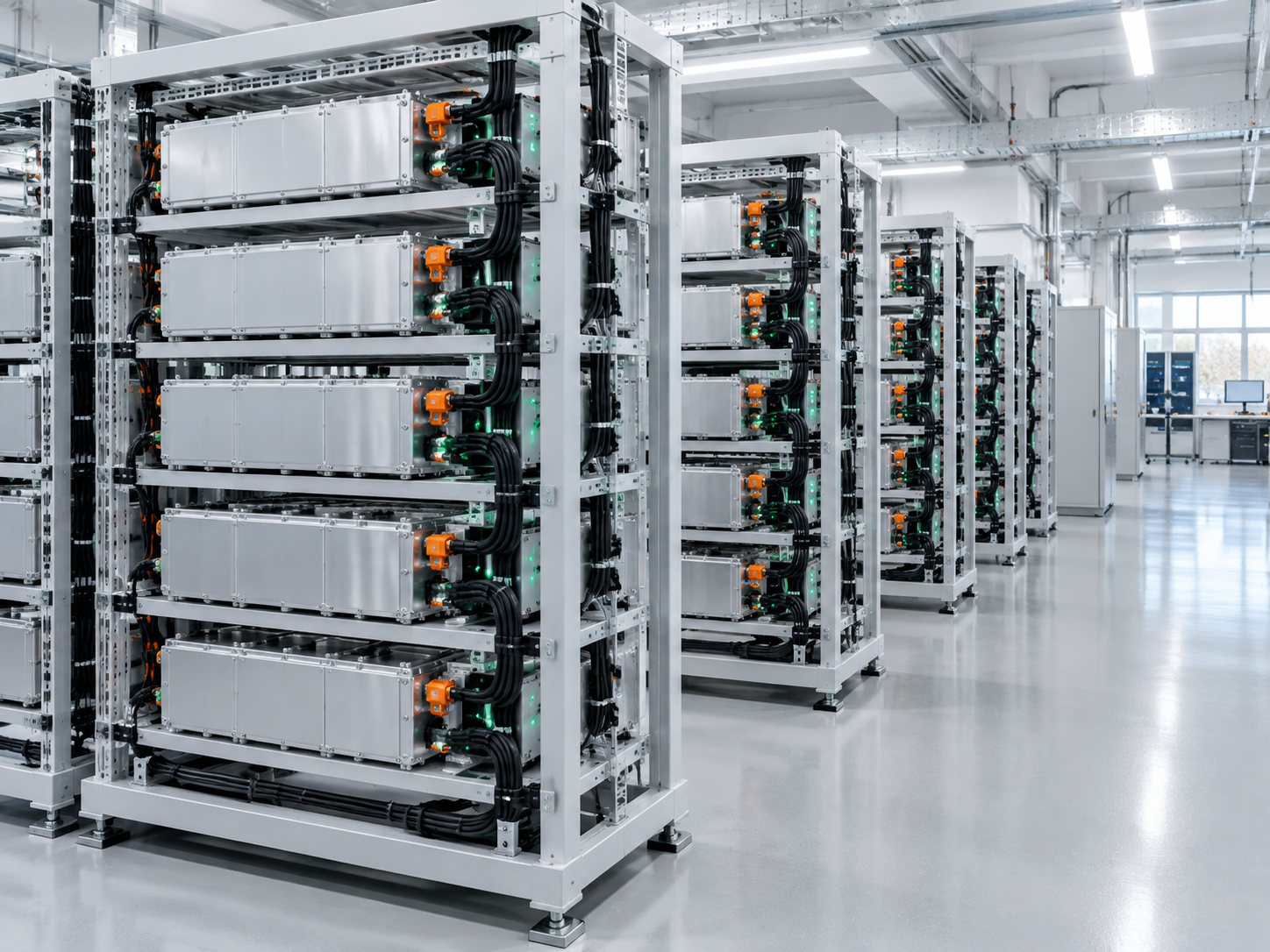
Advanced systems thinking applied to battery energy storage systems (BESS).
Our team’s experience reaches beyond the car industry, into industrial projects, power systems and energy infrastructure. Together with the precision of automotive engineering, it shapes how we build BESS.
A culture of rigorous engineering, attention to detail and purposeful technical decisions.
An integrated perspective that considers how technologies work together as a complete energy system.
Transferring knowledge across industries to meet the changing needs of energy infrastructure.
Large-scale energy storage allows electricity to be stored during periods of availability and delivered when required, helping address the variability of renewable generation.
Battery energy storage infrastructure designed for the evolving needs of modern electricity networks, serving utilities, renewable developers and large-scale energy projects.
Bridging the gap between renewable production and consumption, improving power system flexibility and supporting the integration of solar and other renewables.
Services such as frequency regulation, balancing and peak-demand support, depending on system design and market requirements.
Helping manage renewable electricity availability for electrolysis, within the broader ecosystem of large-scale green hydrogen production.
How photovoltaic (PV) systems and Battery Energy Storage Systems (BESS) work together to generate, store and deliver solar power.
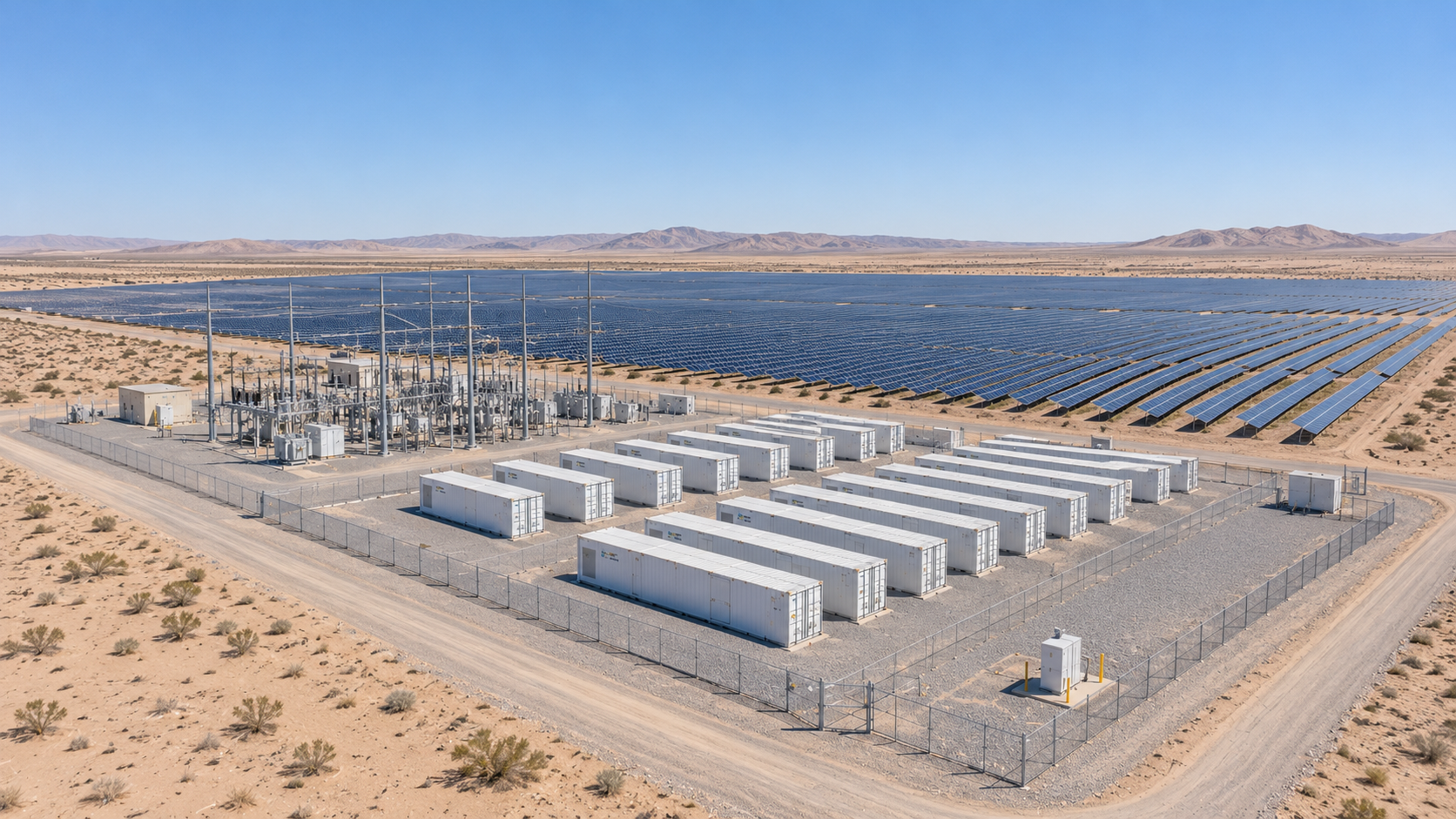
Solar energy provides a clean and renewable source of electricity, helping industries reduce their dependence on fossil fuels and move towards a more sustainable energy future. By integrating photovoltaic (PV) systems with Battery Energy Storage Systems (BESS), solar power can be generated, stored and used more efficiently.
Battery Energy Storage Systems play a vital role in maximising the potential of renewable energy. During periods of high solar production, excess electricity can be stored in advanced battery systems rather than being wasted. This stored energy can then be released when sunlight is limited, during peak demand or whenever additional power is required.
The combination of solar generation and battery storage creates a more flexible and efficient energy solution. It helps reduce reliance on grid electricity generated from fossil fuels, supports lower carbon emissions and improves energy independence.
For industrial facilities, this integration can also help manage peak electricity demand, improve energy cost efficiency and provide greater resilience against fluctuations in energy supply.
By bringing together solar technology and intelligent energy storage, businesses can take an important step towards decarbonisation. Together, BESS and solar energy provide a practical foundation for cleaner electricity, more responsible energy management and a sustainable industrial future.
How Battery Energy Storage Systems (BESS) support the production of clean hydrogen from renewable electricity.
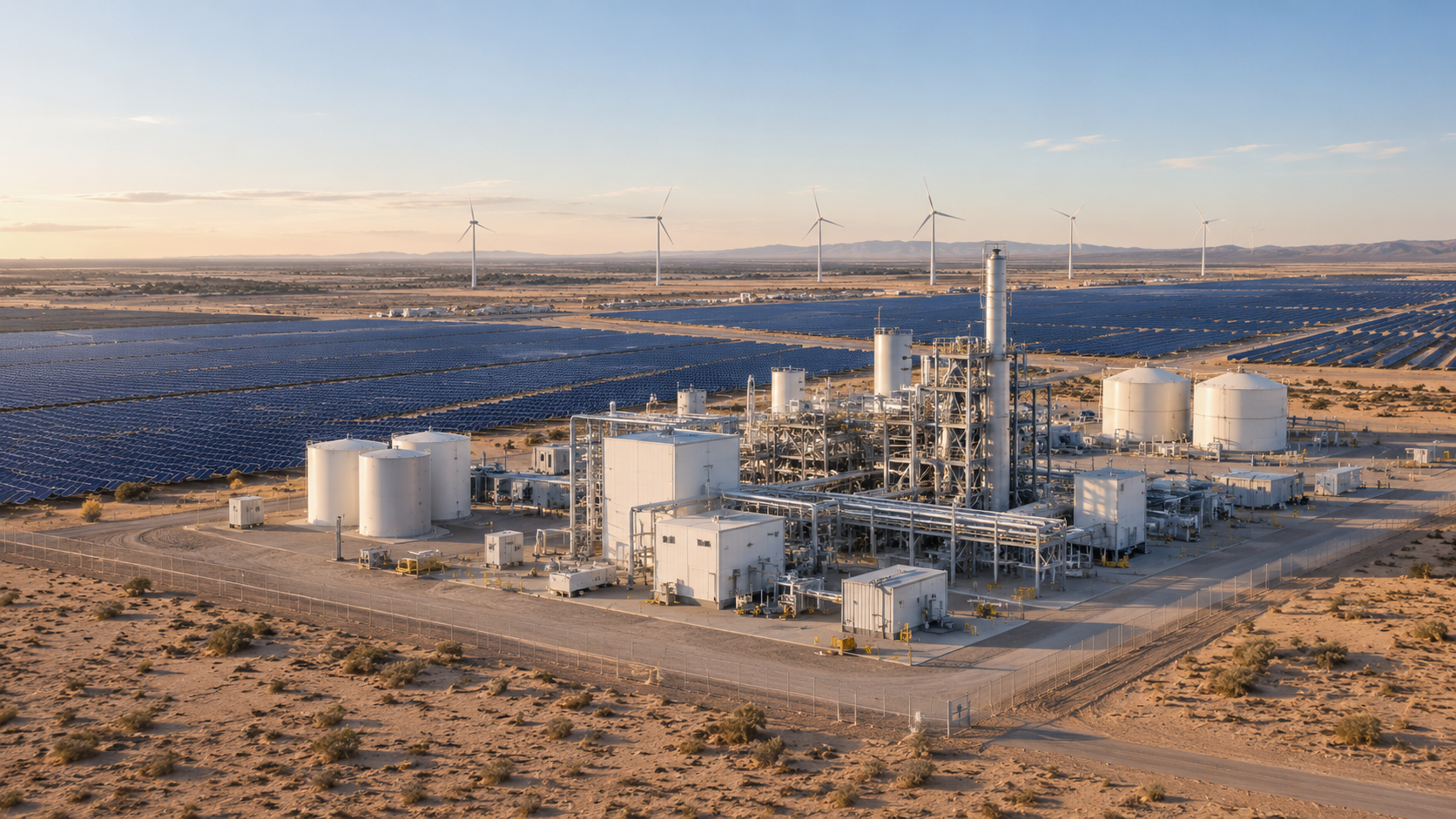
Green hydrogen represents an important step towards a more sustainable energy future. By combining renewable energy sources, such as solar and wind power, with advanced Battery Energy Storage Systems (BESS), it becomes possible to support the production of clean hydrogen while reducing dependence on fossil fuels.
Through electrolysis, renewable electricity is used to split water into hydrogen and oxygen, producing green hydrogen that can serve as a clean energy carrier for industrial applications, transportation and energy systems.
Renewable energy generation naturally fluctuates depending on weather conditions and sunlight availability. Battery Energy Storage Systems help overcome these challenges by storing excess renewable electricity and making it available when energy production decreases.
By providing a stable and flexible electricity supply to hydrogen production facilities, BESS can help manage fluctuations, balance energy demand and improve the operational flexibility of electrolyser systems.
The integration of BESS and electrolysis creates an intelligent energy system in which renewable electricity can be stored and strategically delivered to hydrogen production facilities.
During periods of high solar or wind generation, surplus electricity can charge the battery system. When renewable generation decreases or electricity demand increases, stored energy can be discharged to support the electrolysis process. This integration helps maximise the utilisation of renewable electricity and supports more efficient energy management.
Green hydrogen offers significant potential to reduce carbon emissions in sectors where direct electrification can be challenging. It can support cleaner industrial processes, sustainable transport solutions and the production of low-carbon materials and fuels.
By combining renewable generation, battery storage and hydrogen production, businesses can develop integrated energy solutions that contribute to long-term sustainability and the transition towards a low-carbon economy.
The combination of BESS and green hydrogen technology creates new opportunities for smarter energy management and industrial decarbonisation. Together, these technologies help transform renewable electricity into a flexible energy resource, supporting a more resilient, sustainable and environmentally responsible energy future.
The Gulf region is entering an important period of energy transformation. Governments and energy stakeholders are investing in renewable generation, modern electricity infrastructure, industrial development and emerging technologies such as green hydrogen.
We believe utility-scale energy storage will be an important component of the region’s evolving electricity infrastructure, and we aim to work alongside governments, utilities, energy developers and industrial partners across the GCC.
Our ambition is to connect the precision of German engineering with the scale and opportunities of the Gulf’s energy transformation, contributing to more flexible, resilient and sustainable energy systems.
We welcome conversations with utilities, energy developers, government bodies and industrial partners exploring utility-scale battery energy storage.